Method 4: Make use of external networks
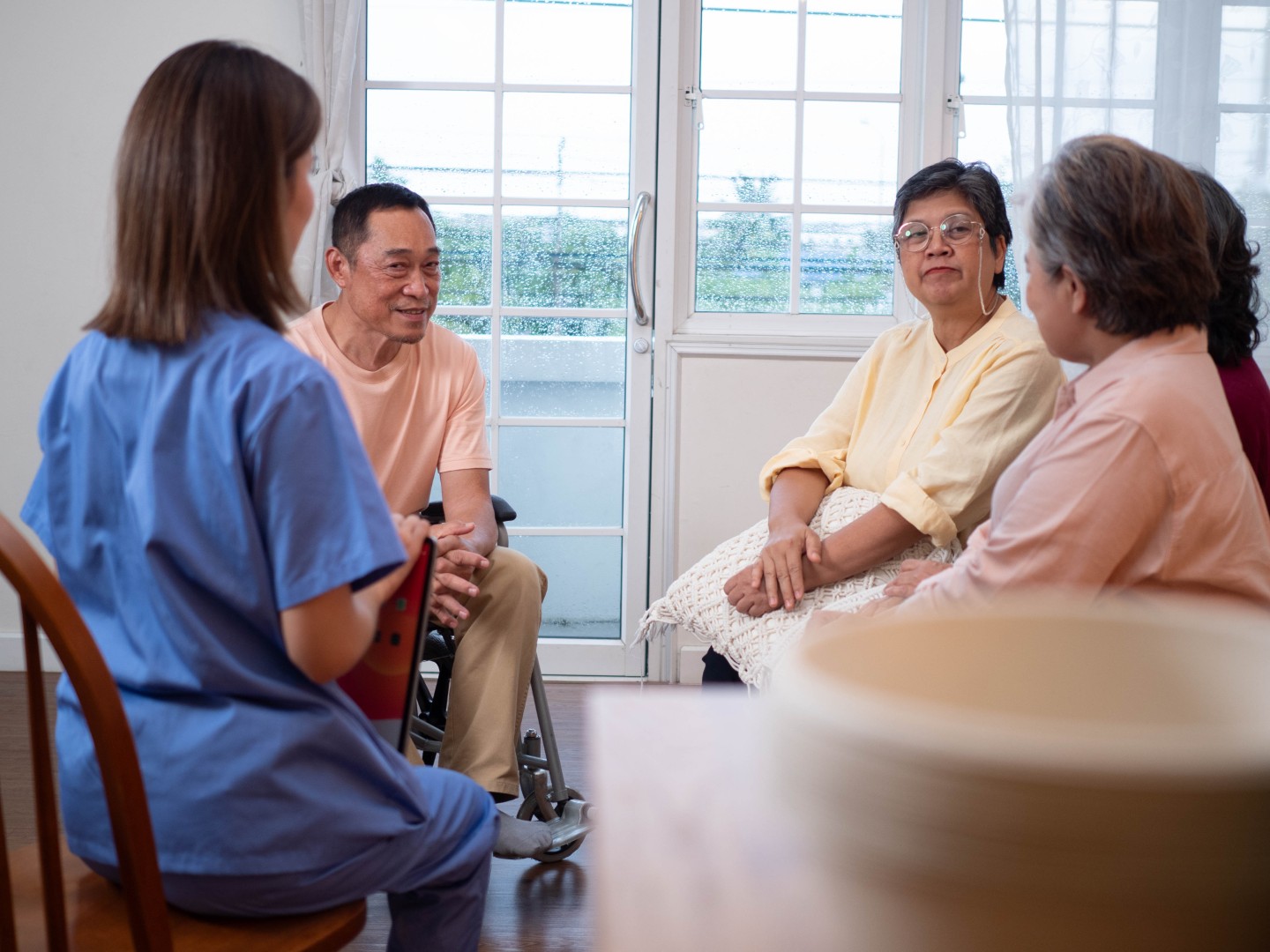
Use the expertise of provider organizations, professional associations, universities, or competence centers. Exchanging experiences with other care facilities can show you which solutions have already proven successful in similar situations.
Potential points of contact include:
- Other care facilities: Do they have similar problems and pain points? Have they found AI-based or digital solutions? If so, which ones?
- Provider organizations that support multiple facilities and have an overview of developments across organizations
- Municipalities or state-level initiatives
- An overview of the similarities and differences in decision-making structures in Germany and Denmark when identifying care needs can be found in Step 7 – Scaling. It shows which stakeholders are involved in decision-making and implementation processes in each country.
- Professional associations that provide practical knowledge, recommendations for action, or networks
- Professional societies that translate scientific findings into practice
- Universities and research institutions, particularly those working in nursing/care, digitalization, or implementation science
- Competence centers for digitalization or AI
- Networks or model projects where experiences and best practices are shared
Method 5: Determine your level of maturity: The digital assessment tool
Before moving on to detailed planning, you should assess your facility’s existing conditions.
The scientifically developed KIP-RA assessment tool (from the ProKIP project, funded by the German Federal Ministry of Education and Research (BMBF)) supports you in this process.
It assesses your readiness across five dimensions, including process, technical, and social aspects, and recommends individually tailored implementation pathways.